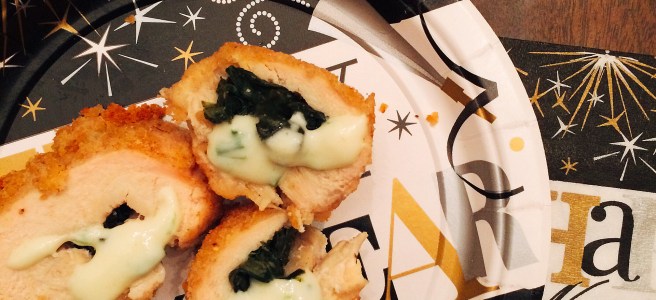
Challah, anyone?

Personally, I can’t think of a better way to welcome friends over on a cozy Sunday evening than with the smell of freshly baked bread wafting through the rooms. Inspired by my deep love for matzoh ball soup, and a new weekly Sunday night friends dinner tradition at our home, I decided to go all out with all the tastiest (and good for the soul – and waist line) traditional dishes: Challah bread, kugel, and matzoh ball soup. Our friends, Liz and Sterling, were generous enough to make the soup, while I focused on the good ole’ carb dishes. Here I’ll share for you my very first adventure in the makings of challah bread!

Ingredients

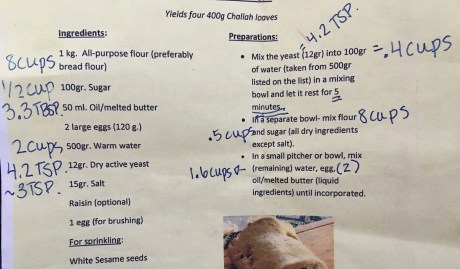
  • 8 cups all-purpose flour (I recommend specifically, “bread” flour)
  • 1/2 cup sugar (plain, granulated sugar)
  • 3 1/3 tablespoon melted butter
  • 2 eggs
  • 2 cups warm water
  • 4.2 teaspoons dry, active yeast
  • 3 teaspoons salt
  • 1 egg (for brushing)
  • white sesame seeds (for end)

Disclaimer about measurements! 

This is an authentic, Israeli recipe with only foreign-to-American terms like “kilograms,” “milliliter,” “gram,” etc. It took some extra leg-work (more like brain-work) to convert these to US-measurements. That’s why some of the measurements are at odd intervals above. Here’s a photo of the conversions.
IMG_6799
Baking = math!

Shopping List

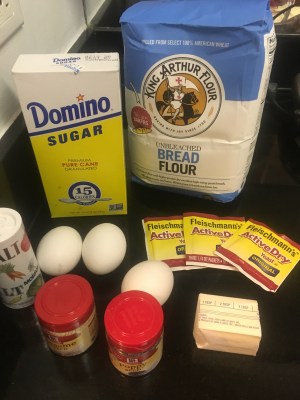
  • Flour. As I mentioned, I recommend the specific “bread flour.” You can find it in the general flour section). I like King Arthur Unbleached Bread Flour.
  • Sugar. You likely already have regular Domino Premium Pure Cane Granulated in your cabinet.
  • Butter. As a rule of thumb, always defer to un-salted butter when baking. You always end up adding salt as its own ingredient anyway.
  • Yeast. The most traditional and easy to find kind is Fleishmann’s Active Dry Yeast (Original). Looks like something from your grandmother’s kitchen. You’re going to need at least 2 of these 50 cent packets.
  • Salt. Regular table salt is fine.
Ingredients
Ingredients

Recipe: 3 phases = 1. Preparation, 2. Procedure, 3. Baking

Preparation:

First, mix the yeast (4.2 teaspoons) into .4 cups of warm water. This .4 cups of water is subtracted from the 2 cups of water the recipe calls for. Remember, warm water. Stir the yeast for about 15 seconds until integrated in the water and let rest for 5 minutes.
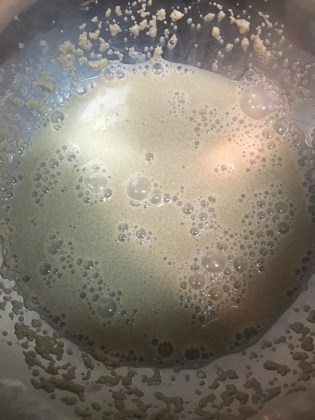
Yeast and water mixed and resting

While the yeast is doing it’s thing (kind of creepy, did you know yeast is alive?) mix 8 cups of flour and the 1/2 cup sugar in a separate bowl. This is the dry ingredient preparation step (minus salt).
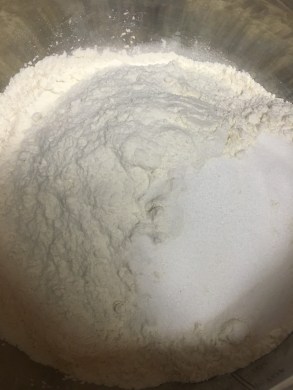
dry ingredients
Dry ingredients mixed

Also, while the yeast is resting, in another bowl, mix the remaining water (1.6 cups), 2 eggs, melted butter until incorporated. This is the liquid ingredient preparation step.
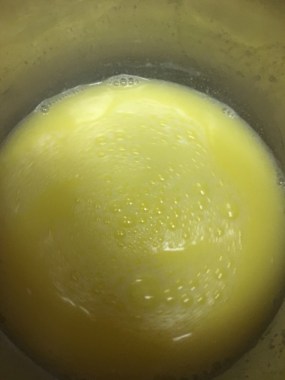
wet ingredients
Wet ingredients mixed

At this point, you will now have 3 things prepared – the yeast, the dry ingredients, the wet ingredients. Here’s what the spread should look like. The prep work is done!
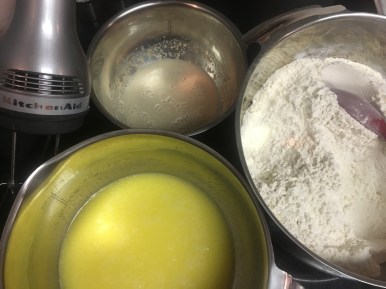
dry wet and yeast
Yeast, dry ingredients, wet ingredients

Procedure:

First, transfer the dry ingredients to a mixing bowl and start mixing in slow speed. This is #2 speed level on the electric mixer. NOTE: I tried to use the regular Kitchen Aid hand mixer we have, but to no avail. The dough becomes too thick and you truly need a real bread mixer. So, unless you have a bread mixer, do NOT even try to use your hand mixer. Instead, do what I did (trust me, it comes out well!) and use your hands. The best kitchen tool!

You’re going to add the liquid ingredients and mix the dry and wet together for about 2 minutes. If using a real bread mixer, after 2 minutes, put the level to #6 speed level. As you’re mixing, slowly add the salt, pinch by pinch, Continue mixing until the dough reaches smooth consistency. All in, should take you about 5 minutes.
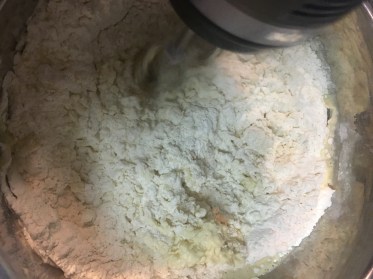
mixing dry wet and yeast
Mixing the dry and wet ingredients

After you create a real dough, knead the dough to a ball form (best strategy is to just take the dough out of the bowl to do this) and then return it to the mixing bowl.
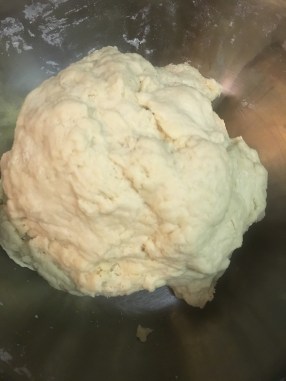
balling dry wet and yeast
Balled dough

Cover the bowl with either a wet towel – or – saran wrap with a small hole. I prefer the wet towel method (just run a paper towel quickly under water). Let the dough rise for 60 minutes in room temperature. After 60 minutes, take a peak and as long as the dough has about doubled in size, it’s time for the next step!
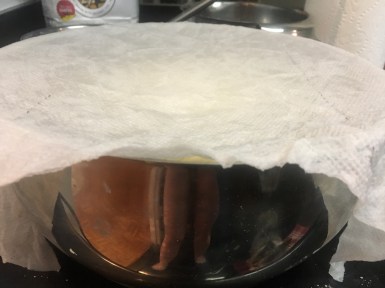
yeast rising
Dough resting and rising

Next, remove the dough from the bowl and separate into 4 equal sized portions. Each of these will be its own loaf. I recommend using a knife and cutting the ball into quarters (like you would split an apple into 4 pieces – lengthwise and vertically). Now, braid each piece. How? Easy! Divide each of the 4 pieces into 3 equal-sized parts and roll out each with your hand to approximately 15 inches. On a cutting board, put the now 3 rolled out parts vertically and an inch apart from each other. Starting at the top, pinch the 3 together to start the braid, and braid from that point down (towards you). You should have about 4 total cris-crosses per loaf.
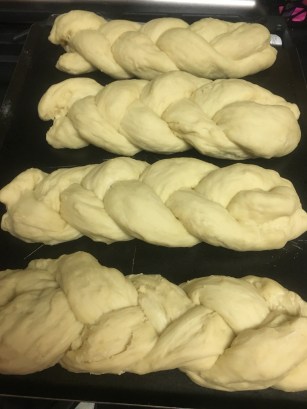
Braided dough
Braided dough

Do this for each of the 4 loaves and place the braided dough on an un-greased, no stick baking sheet. You’re going to practice patience again here by letting the braided dough rise for 40 minutes. (This blog isn’t called “patience in the kitchen” for no reason!)

Baking:

While the 4 loaves are hanging out on the baking sheet and rising for these 40 minutes, pre-heat your oven to 400 degrees.

Also while the loaves are rising, you’re going to scramble one egg which will be the “paint” to brush the dough. After 40 minutes, take a baking brush, and simply brush the egg wash over each loaf. This is a very important step and gives your bread that beautiful golden shine/glow. Then, sprinkle with sesame seeds.

Bake the dough at 400 degrees for 10 minutes. Then, lower the temperature to 350 and bake for 10-15 minutes. You’re going to want to tap the bread lightly and if it bounces back, it’s ready. You can also gauge based on the color. The bread should be golden/brown.

Place the loaves on a rack to cool (about 30 minutes). By now, your kitchen and surrounding rooms will smell inviting and anyone (or dog) within nose reach will be flocking to the dining table to grab a slice – or loaf!
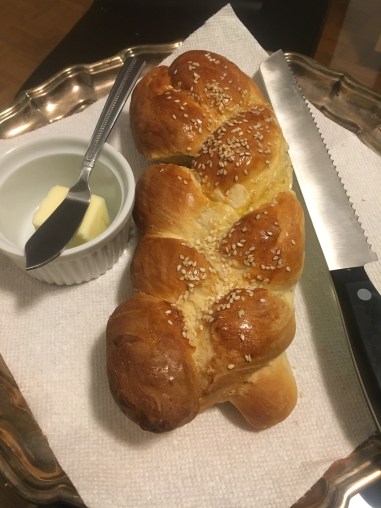
Served challah
Simply served with butter

Put in the good stuff

What better way to make veggies taste extra good, but still maintain their natural taste? With cheese and inside something else. Introducing a dish that is both healthy, filling, AND full of all the good stuff: Broccoli and Parmesan stuffed chicken with Tarragon oil. 

The best part about this meal is that you don’t loose the fresh taste of the broccoli within the chicken. Instead, every bite is full of a little crunch and smoothness with the Parmesan cheese. The homemade Tarragon oil adds moistness and flavor to the chicken and every bite is a little pocket of heaven.

Ingredients

  • 1.5 lbs. skinless boneless chicken
  • 1 large head of broccoli
  • 1 cup shaved Parmesan cheese
  • 2 tablespoons extra virgin olive oil
  • 5 fresh sprigs of tarragon
  • 1/2 tablespoon of salt
  • 1/2 tablespoon of pepper

Shopping List

  • Chicken: my recommendation is to buy the thinly sliced (already pounded) chicken breasts for easy rolling. The alternative is to buy full sized plump chicken breasts and pound them yourself at home. For ease, look for the thinly sliced.
  • Broccoli: just go to your fresh produce section and pick out the healthiest sized head of broccoli. Usually 1 head of broccoli includes about 3-4 stalks (a stalk is the equivalent to what looks like a “tree”)
  • Parmesan cheese: I like to grate my own cheese from a block of cheese vs. the pre-packaged and already shaved. It’s up to you.
  • Tarragon: also in your grocery store’s produce section, you should be able to find small containers of fresh herbs. I recommend buying your tarragon from here. The containers are plentiful with the herb and will make it more simple for you when extracting the tarragon leaves for the homemade oil.

Recipe

First, preheat your oven to 375 degrees. Prepare a glass baking dish (a dish, not a shallow pan) for the chicken by lightly spraying with cooking oil. Set aside. Also, measure 3 cups of cold water (lightly salted) and put in a pot to boil on medium to high heat (this will be for the broccoli).

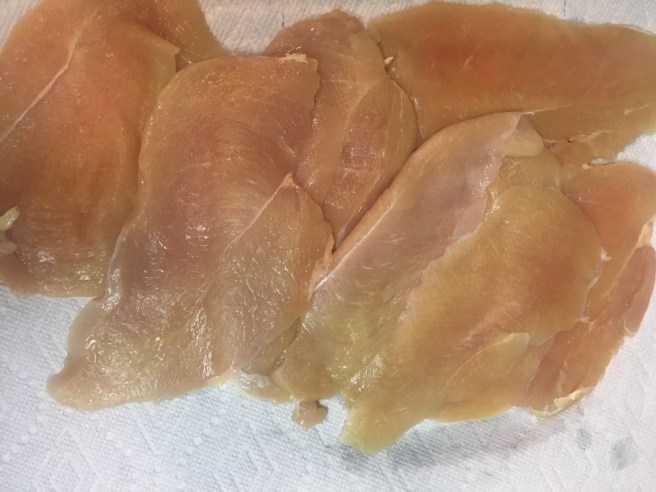
Next, remove the chicken from it’s packaging and rinse piece by piece in cold water. Line a cutting board with a few sheets of paper towel and pat dry the chicken and place on the plate after you’ve washed each piece. Don’t stack the chicken, but lay the pieces side by side. After you’ve finished rinsing and drying the chicken, liberally salt and pepper each piece.

chicken-prep
Washed and dried thinly sliced chicken breasts

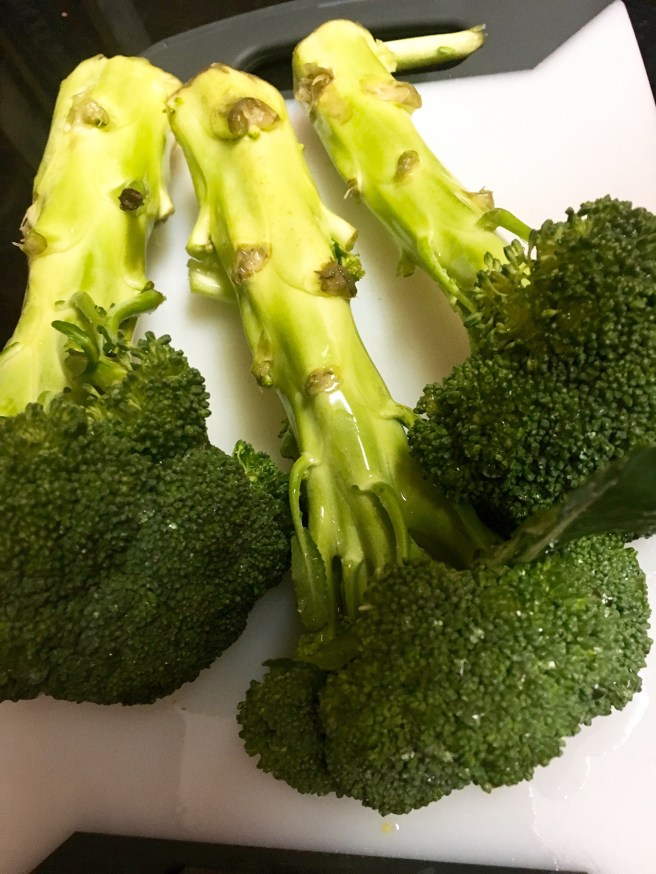
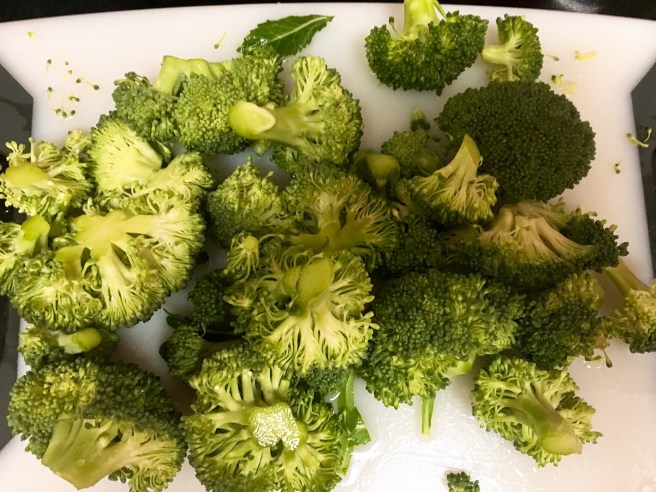
Set aside the chicken and now on to the broccoli cheese filling! Take the head of broccoli you bought and rinse it in cold water. Next, cut off the thick stem so you’re working with only the heads. Take a sharp knife and cut the broccoli into approximately .5 inch/small pieces. However, make sure the broccoli stays in tact and doesn’t get too flakey and loose it’s shape.

broccoli-head
Broccoli stalks
broccoli-cut
Cut broccoli heads

By this time, the water you placed on the stove should be boiling. Reduce the heat to a simmer and drop in the broccoli for approximately 7-10 minutes, until tender. Keep uncovered; the broccoli should float and you can stir it occasionally.

Remove the broccoli, put in a strainer, and run under cold water over it for 5 seconds. This trick is to a) help the broccoli keep it’s bright green color, and b) maintain the crispness and flavor of the broccoli. Transfer the broccoli to a medium sized mixing bowl.

On to the Parmesan cheese. Measure out 1 cup of shaven cheese – either use the pre-shaved that you bought of use a cheese grater yourself. If you decide to use a cheese grater, be careful of your fingers and don’t rush!

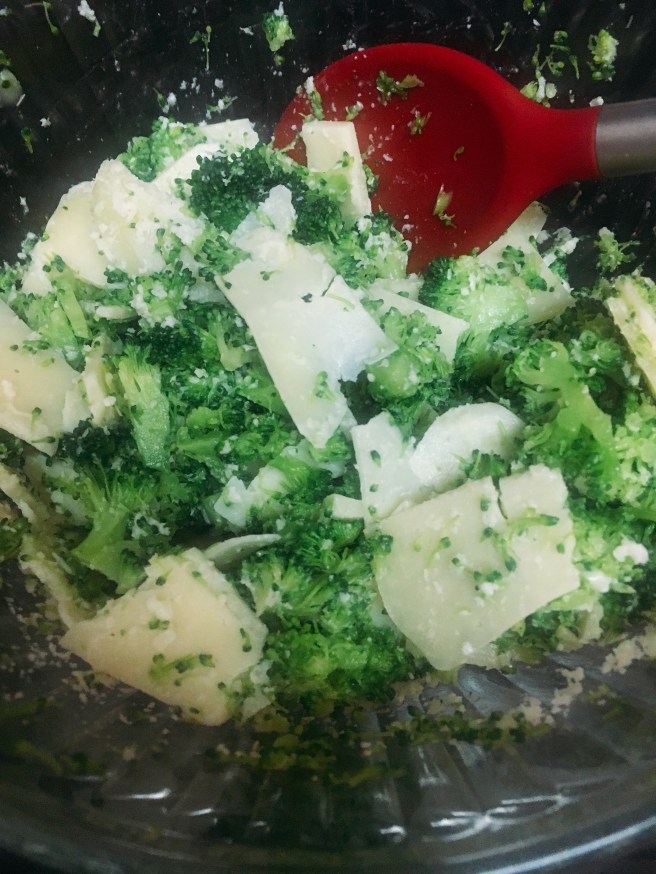
Once you’ve measured out the 1 cup of cheese, lightly mix in with the broccoli. Add a pinch of salt and pepper at the end and set aside.

brocooli-with-cheese
Broccoli and cheese goodness

Now, on to the “putting-it-all-together” part! On a clean and wide counter surface line up the following in this order from left to right: Broccoli and cheese mixture in a bowl, thinly sliced salt and peppered chicken breast on a plate, and the pre-greased glass baking dish.

Step 1: use your hands to gather a small handful (approximately 2 golf balls sized) of the broccoli cheese mixture.

Step 2: Lay the mixture in the middle of the chicken breast

Step 3: Roll the chicken length wise, from one end to the other (you’ll likely be able to roll it about 1.5 – 2 times on top of itself. Also, the chicken should stay together pretty well and the broccoli cheese mixture should stay compact inside.

Step 4: Place the rolled up piece of chicken in the dish, starting at one end of the dish and working your way to the other. Important: place the chicken face down on the place the two ends of the chicken meet so that it won’t unravel as it bakes.

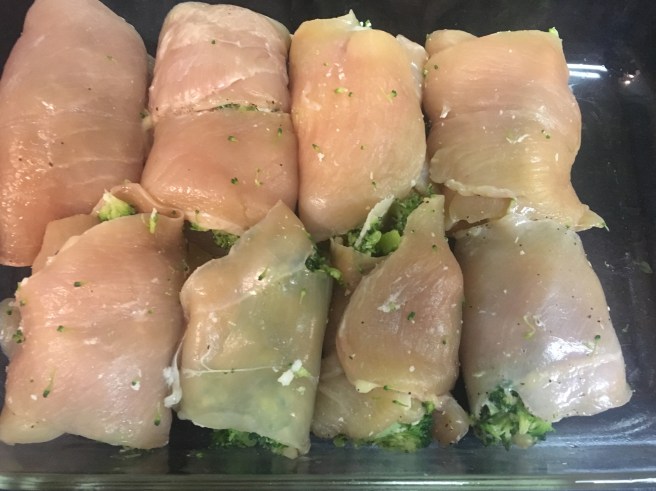
Repeat steps 1 through 4 until you have used all the chicken and you’ve filled the dish that is now almost ready go into the oven.

stuffed-chicken
Chicken rolls with broccoli cheese mixture inside

The final preparation step is the Tarragon Olive Oil. This is very simple.

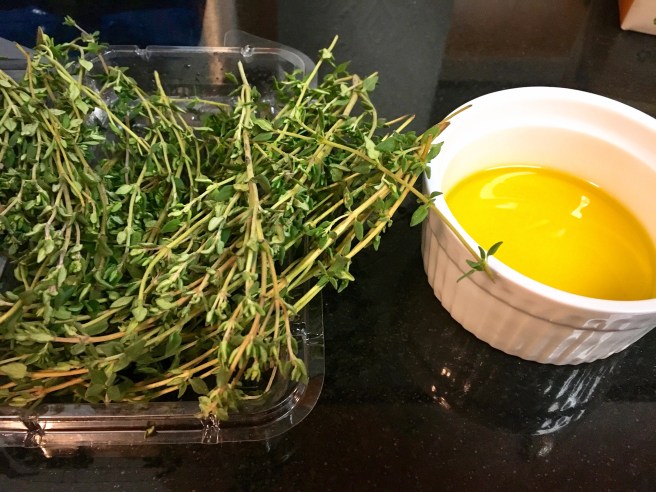
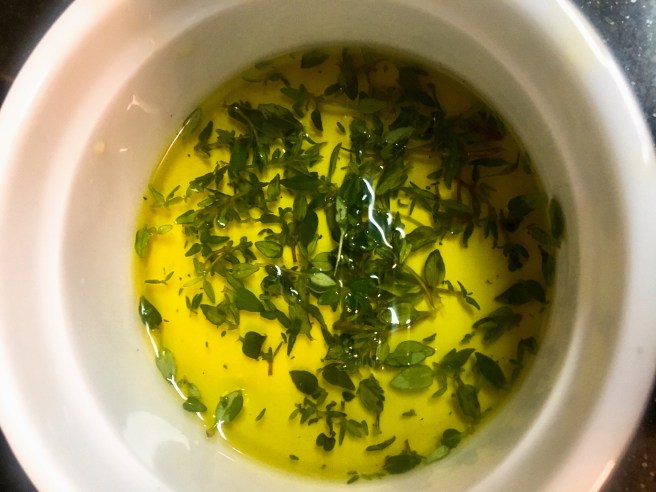
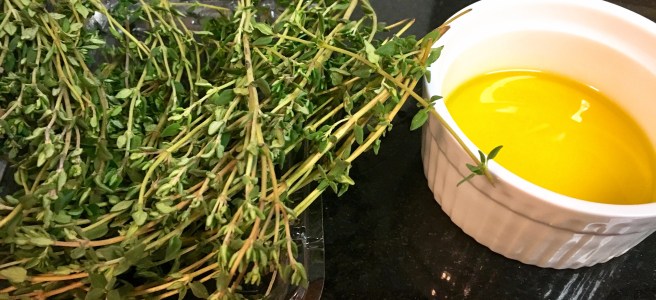
First, measure out 2 tablespoons of the extra virgin olive oil and put into a small dish. Next, take the dried tarragon and with your fingers pinch off the tiny leaves and let fall into the oil. Use your judgment as to how concentrated you want the oil (i.e. how tarragon-y you want it to taste). Add a pinch of salt and pepper and mix.

taragon-and-oil
Fresh sprigs of tarragon and extra virgin olive oil
taragon-in-oil
Combined tarragon leaves with extra virgin olive oil

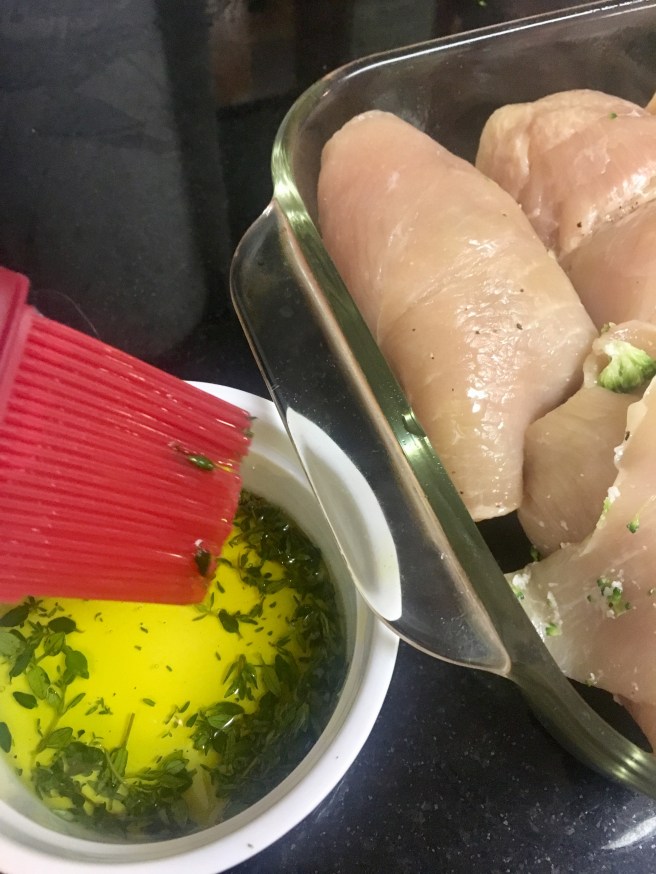
Next, and finally, take a “kitchen paint brush” (as pictured below) and dip into the tarragon oil. Lightly drizzle/paint each rolled up piece of chicken in the glass bowl.

painting-chicken
Paint brush and canvas ready to go!
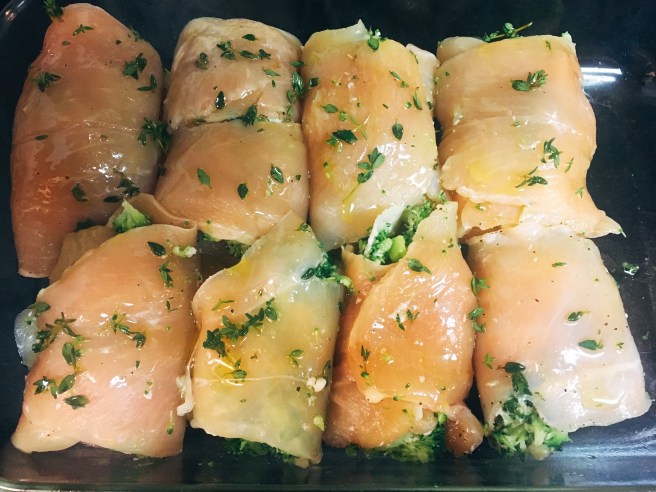
painted-chicken
“Painted” chicken with tarragon oil

Place the glass baking dish with the chicken in it in the oven and set the timer for 25 minutes. At that point, carefully cut into one piece using a fork and knife and check that the chicken is not translucent or pink. If it seems cooked through and white, it’s time to take it out!

This dish works well with a side of roasted carrots and rice. Those recipes to come in future posts so stay tuned! But in the meantime, enjoy your broccoli and cheese stuffed chicken. It’s so easy to make with few ingredients but quick to impress – a great dish for hosting, especially when you want to go light on the fat and heavy on the veggies! Makes for the staple of a healthy meal all around. Enjoy!

digesting
“Who knew that explosion of broccoli and cheese in my mouth would be so delish! Now I sleep”


Simply Delightful

What to make when you’re looking for a very quick, no fuss meal, that is both deliciously gourmet but doesn’t require a big grocery shop? Nothing other than Spaghetti Carbonara, of course. Who hasn’t walked into the kitchen, starving, opening cabinets and the fridge asking, “what am I going to eat for dinner?” Well, recently was one of those nights, and spaghetti carbonara was the perfect answer. Filling, easy-to-make, and best of all, combines kitchen staples into something greater than the sum of its parts. The result is simply delightful.

Sometimes all it takes is a little patience and creative thinking to put together the “what to eat” puzzle and come through with the most delectable dinner, without even leaving the kitchen.

Ingredients

  • 1/2 box Spaghetti (or angel hair, penne, fusili, whatever looks good in the moment). My favorite is the tried and true Barilla brand which we always have in the kitchen
  • 1/2 container Parmesean cheese (it’s good to always keep in the ‘fridge, to throw on salads, pasta, anything, really)
  • 3 eggs (again, always in stock. You always need to be prepared to bake a cake, right?)
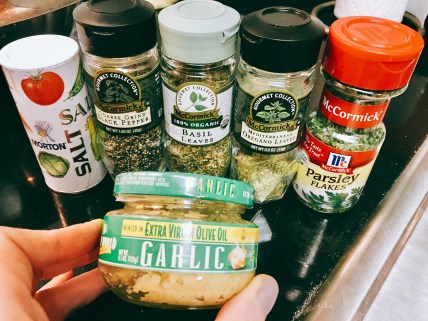
  • Spices, spices, spices. In this recipe, use salt, pepper, oregano, parsley flakes, dried basil leaves, garlic. These often neglected spices are just sitting in the spice aisle waiting for some love – use them!
  • 1/2 package of Prosciutto (often we have prosciutto, which has a ‘fridge life unopened of approximately 2-3 months. If you don’t have this, you can use ham or bacon. Use as much or as little as you like – to taste)

Shopping List 

  • There is none! Walk into your kitchen

Recipe, or rather, “what to throw together”

The first step, like with any pasta recipe, is to put on a pot of water to boil. If you’re cooking for two, boil approximately 6 cups of water. As a rule, I always add a teaspoon of olive oil and a pinch of salt to pasta water before it boils. The oil will help the pasta not stick together and the salt infuses more taste into the cooked pasta.

While the water is heating up (takes about 10 minutes), you have time to make everything else that you’ll need.

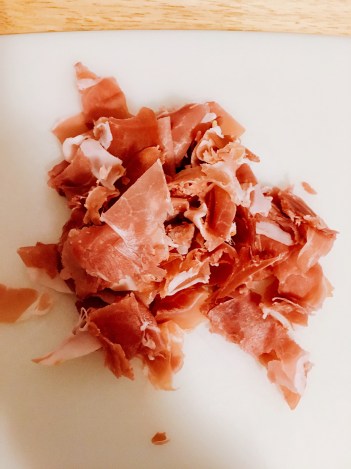
First, take out the prosciutto/ham/bacon, whatever, and cut into small pieces on a cutting board. Cut to the size that will go into the pasta, so pretty small.

cut-prosciutto
Prosciutto, cut and ready to go into the pan to cook

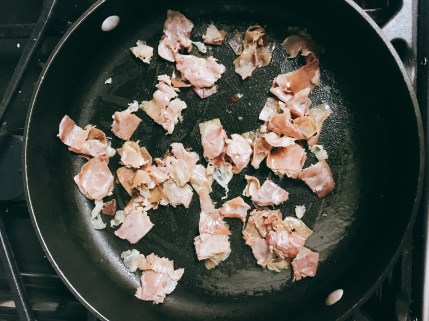
Then, heat a frying pan (any basic pan). You won’t need any oil or butter for this because the meat has plenty. Wait for the pan to get to medium heat, and drop in the meat. Stir it around a little and keep on medium heat for the next 10 minutes (stirring every few minutes so it doesn’t burn). Your goal is to have the meat be a little browned on the edges, but not dried out.

prosciutto-cooking
Prosciutto cooking in the pan

Next, you can make the claim to fame of a carbonara dish, the egg/cheese sauce.

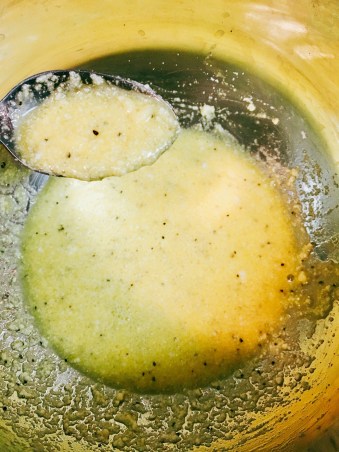
In a medium sized bowl, combine the approximately 1/2 container Parmesean cheese (nets out to about 1 cup of cheese), along with the three eggs. Add a pinch of salt and pepper, as well as the other spices you selected! Mix well together and set aside.

Combined Parmesean cheese, eggs, and spices
Spice cabinet party
Spice cabinet party

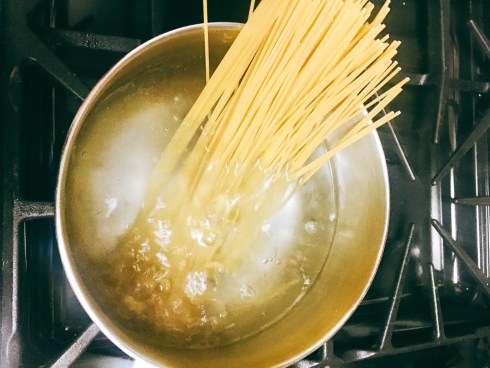
Your pasta water should be boiling by now, so place the dry pasta in the water. This should take about 7-9 minutes (depending on what kind of pasta you use).

pasta-cooking
After first placing pasta in boiling water

By now, you can also return to check on the prosciutto/ham/bacon that’s been cooking. If it’s browned on the edges at this point, you can just put the heat on “simmer” until the pasta is cooked.

When you’ve reached nearly the full cooking time for the pasta, have a taste. I prefer al dente (slight bite to it), and remember, the pasta will still cook even though it’s out of the water. Drain the pasta and now put it into the pan the meat is cooking in. The reason for this is you want to capture all the flavors.

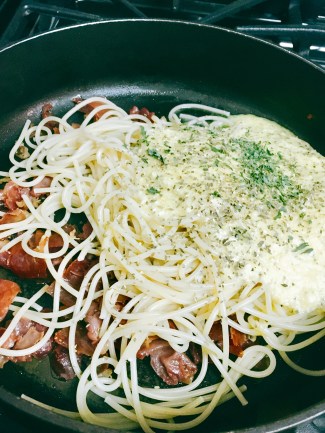
Next, add the Parmesean cheese/egg mixture to the pan that now has the meat and the pasta. Don’t forget to add any additional spices we talked about in the ingredients section! Be generous and always taste test along the way.

mix-everything-in-pan-1
Putting it all together in the pan
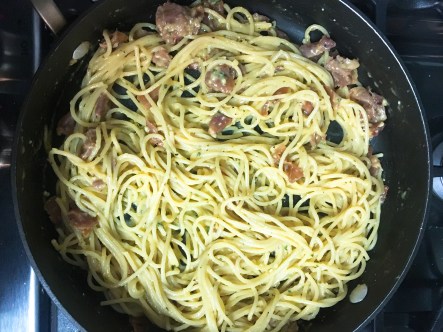
mix-everthing-in-pan-2
Mixing it all together in the pan

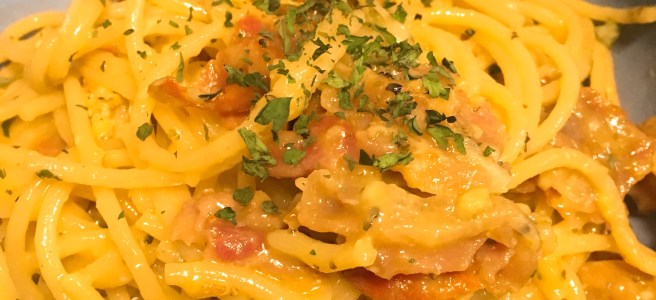
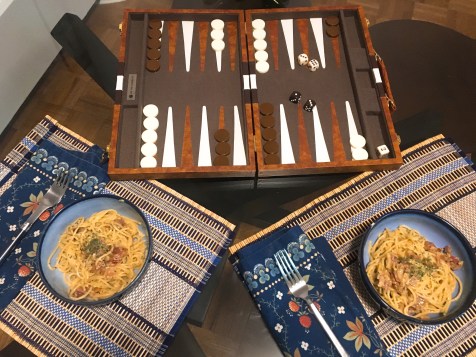
It’s now time to plate it (“bowl” it) up and enjoy! Feel free to add a sprinkle of basil flakes to the top to make this meal look extra fancy. You’ll have saved so much time from this quick recipe, that you can enjoy a leisurely meal with a game of backgammon…and fending off your furry friends! 🙂

final-with-backgammon
Leisurely meal
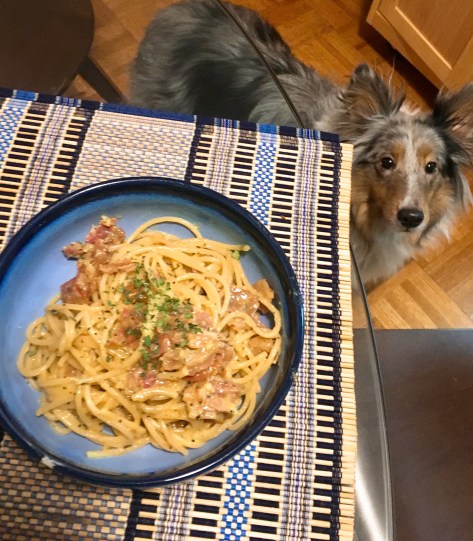
final-with-sky
Sky skulking in the background

New Year’s Kickoff!

What better way to start a blog? By celebrating one of my most favorite dishes with my closest friends and out-of-this-world special boyfriend, David – on New Year’s Eve, no less! This post is dedicated to the gift sharing food with loved ones, and to thank David for this most special 29th birthday present. Thank you for paving the path of support for my pursuing a cooking blog, which we know I’ve been talking about for a very…long…time.

I was first introduced to the below recipe by David after he emphatically said this was one of HIS favorite dishes: Chicken and Basil Roulades with Mustard Sauce. This is a recipe out of the always reliable and beautifully illustrated Willams-Sonoma Chicken cookbook. (More to come in future posts about the significance for me of this often wrongly classified “bland” food, chicken).

As someone who is often times too comfortable with planning and details, it’s exciting (but also daunting) to have a literal blank page ahead of me. Funny enough, I’m actually inspired and curious to see how the blog evolves and what will naturally unfold from not having a plan. That is to say, I don’t have a predetermined format, writing style, or theme of posts that fits into a box. Similarly, my recipes are different than what you might find in a book because they are tested, tweaked, and tell a story. If I can promise you one thing, each and every recipe on here is carefully selected, made my me, and meant to also bring joy to you as it has to me. Happy reading/eating!

Sauce Ingredients

  • 1/2 cup plain yogurt
  • 1 tablespoon Dijon mustard
  • 2 teaspoons chopped fresh chives

Chicken Ingredients

  • 2 tablespoons unsalted butter, melted
  • 2 tablespoons chopped fresh basil
  • Boneless chicken breast (approximately 1.5 lbs)
  • Salt and pepper
  • 1/3 cup plain yogurt
  • 1 teaspoon Dijon mustard
  • 1 cup plain bread crumbs
  • 1/2 cup grated Parmesan cheese

Shopping List

  • Large container of Danon Natural Plain Yogurt (32 oz) (low-fat or non-fat, if you prefer; won’t change the taste too much)
  • Small container of yellow Dijon mustard (I recommend the real stuff, like Maille or Grey Poupon; stay away from the artificially yellow hot dog stand mustard – it’s wise to splurge on good quality mustard because the taste really affects the recipe)
  • A small bundle of fresh chives from the grocery store’s produce section (stores also sell prechopped chives in a glass container – fine, too, if you want to save the step of chopping)
  • One stick of unsalted butter
  • 2 small containers of basil, prepackaged in a plastic container in the produce section
  • 1.5 pounds, approximately, of chicken breast (I recommend buying thinly sliced because you will be rolling the chicken tightly. Otherwise, buy regular sized breasts and pound to 1 cm thickness)
  • Tall cylindrical container of bread crumbs (I always stick with Progresso, “Plain”)
  • Plastic container of Parmesean cheese (I recommend the standard BelGioioso brand)

Recipe, with a pinch of Lizzie’s interpretation

First, the sauce: In the serving bowl you want to use alongside the meal (to save dish washing), stir together about 1/2 cup plain yogurt and 1 tablespoon of Dijon mustard. The sauce is one of the best parts of the dish (especially good to have with rice on the side), so I like to make extra. Up to you the proportions for yogurt:mustard based on taste.

Next, rinse the chives and place on a cutting board. Chop them into small pieces that will go into the yogurt and mustard sauce you just made. It’s OK to not be perfect with the exact measurements – the sauce is where you have the most wiggle room.

Once you’ve finished chopping the desired amount of chives, stir into the yogurt mustard sauce and set aside. This may seem counter intuitive to not refrigerate, but we want the sauce to be room temperature.

Next, preheat the oven to 400°F.

Prepare a baking sheet by putting tinfoil to cover it (again, less cleanup). Melt the approximately 2 tablespoons of butter in a microwave-safe dish. Then, brush about half of the melted butter onto the tinfoil sitting on the baking sheet. It is very helpful to have a rubber bristled cooking brush here. Alternatively, you can spread the butter by pouring a little and using a small piece of Saran Wrap to coat the tin foil.

Next is the best part! Chicken-Time and Assembly Line-Time.

Take the basil and pull off the leaves from the stem. Place on a cutting board and chop into small pieces (not as small as the chives). Put to the side.

On a dinner plate, pour approximately 1 cup of the bread crumbs and 1/2 cup of the Parmesean. Use your hands to gently mix together.

Next to this now prepared plate with crumb mixture, set out a large bowl where you will mix 1/3 cup yogurt with 1 tablespoon of mustard. I actually like doubling the recipe so if I run out of it, I don’t need to stop the Assembly Line mid-way and replenish. Unlike the sauce you made, this mixture does not include chives.

Next, take the chicken out of its package and rinse with cold water and pat dry. Lay out the breasts on a cutting board and lightly salt and pepper each side.

Wash your hands! Can never be too careful with extra washing around chicken.

Now to the Assembly Line and final step. Lay out in this order from right to left: salt and peppered chicken on the cutting board, basil leaves on their own cutting board, yogurt mustard mixture in the bowl, bread crumb and cheese mixture on the plate.

The process: 1. Put a healthy pinch of basil in the center of the chicken breast. 2. Roll the chicken breast the long way, starting on the right and tightly wrapping it around the basil. 3. Carefully dip the chicken wrapped basil in the yogurt mustard mixture. Make sure to healthily coat. 4. Roll the chicken now drenched with the yogurt mustard mixture in the bread crumb and cheese plate. Again, make sure to completely coat (this step is not, and will not, be perfect! Each chicken breast has its own shape and will look different once coated than the next. 5. Carefully transfer the coated chicken to the baking tray you prepared. 6. Repeat the process with the remaining chicken. 7. Once all the chicken is on the baking tray, drizzle the remaining melted butter on the top of each breaded, wrapped chicken roulade.

Bake for approximately 30 minutes at 400°F, or until the bread and cheese crumble is golden brown and the chicken is no longer pink.

Wait 3-5 minutes before serving. I recommend serving with a large spoonful of the yogurt-mustard-chive sauce (now room temperature). Don’t forget that you set this aside! I also suggest serving with white rice and a simple salad. The chicken combined with the rice and sauce is…well…you’ll have to taste for yourself .

Lizzie’s Extra Tips:

  • After you lay out what I call the “assembly line,” I suggest handling one piece of chicken at a time, from the basil stuffing through to the last step of putting it on the baking sheet.
  • The chicken may seem to unravel as you’re taking it down the line, but don’t worry. Try to make the rolls as tight as possible and hold together while dipping in the yogurt mixture and bread crumbs.
  • The best way to get a consistently even textured crust on each chicken roll is to wash your hands between dipping the chicken in the yogurt mixture and then in breadcrumbs. This way, the bread crumbs won’t get clumpy from the yogurt on your fingers. You can have a helper in the kitchen to turn on and off the water so you can wash your hands in between each piece of chicken, which is a helpful tip in the kitchen anyway when handling chicken and staying sanitary.
  • One of the most tasty parts is the bread and cheese crumb coating that will inevitably dribble onto the baking tray. Don’t let this go to waste and scoop this up to add to your plate. Delish!
  • Perfection isn’t attainable with this recipe. Part of the fun is actually working with different cuts of chicken every time and each roll will have its own personality!